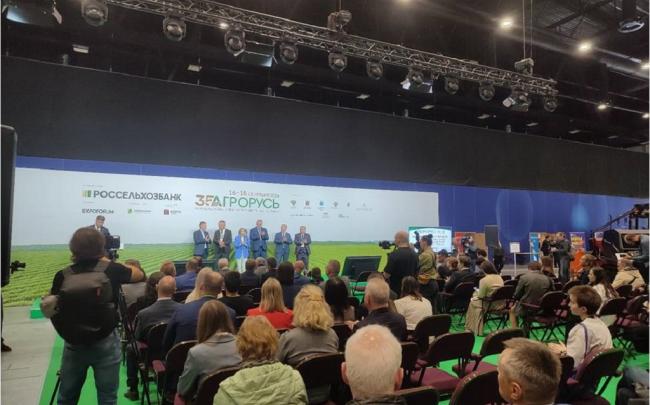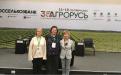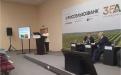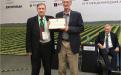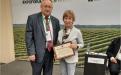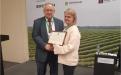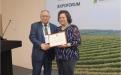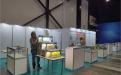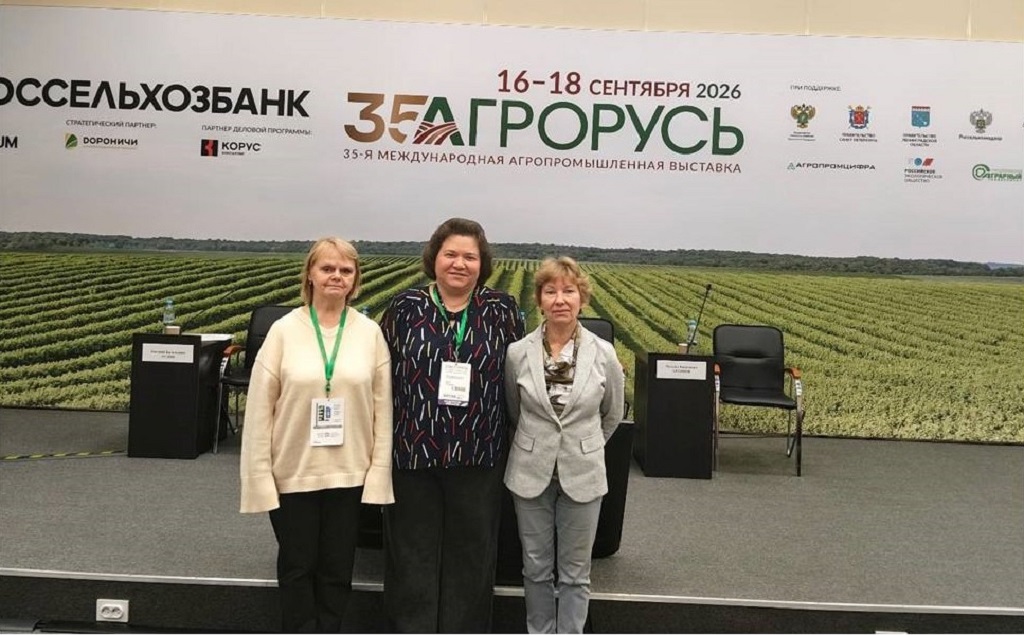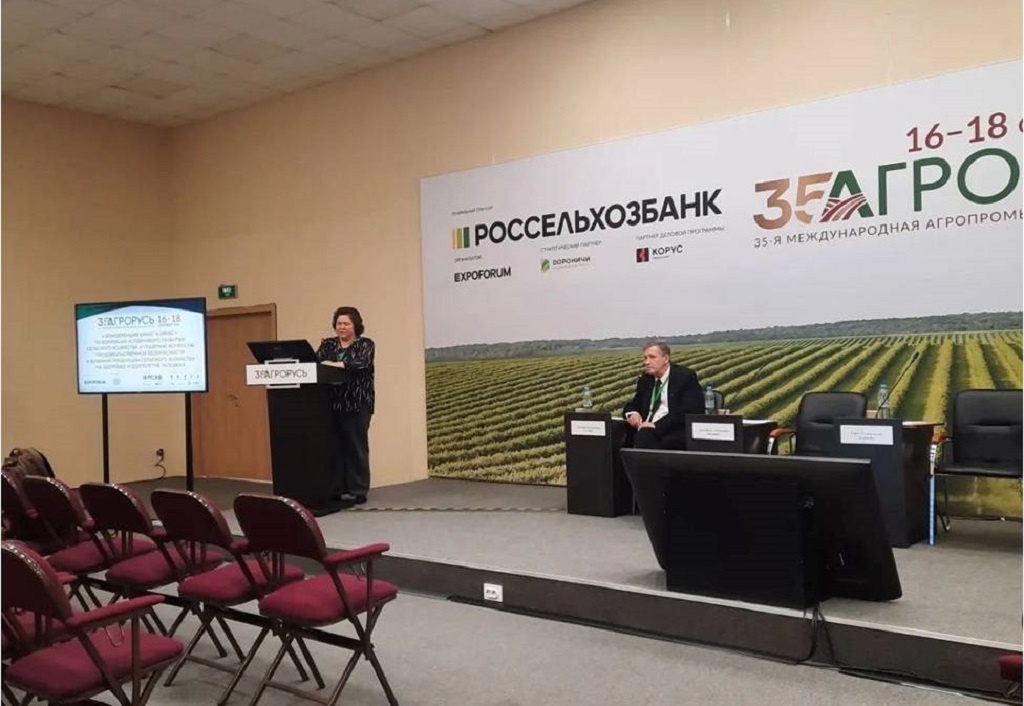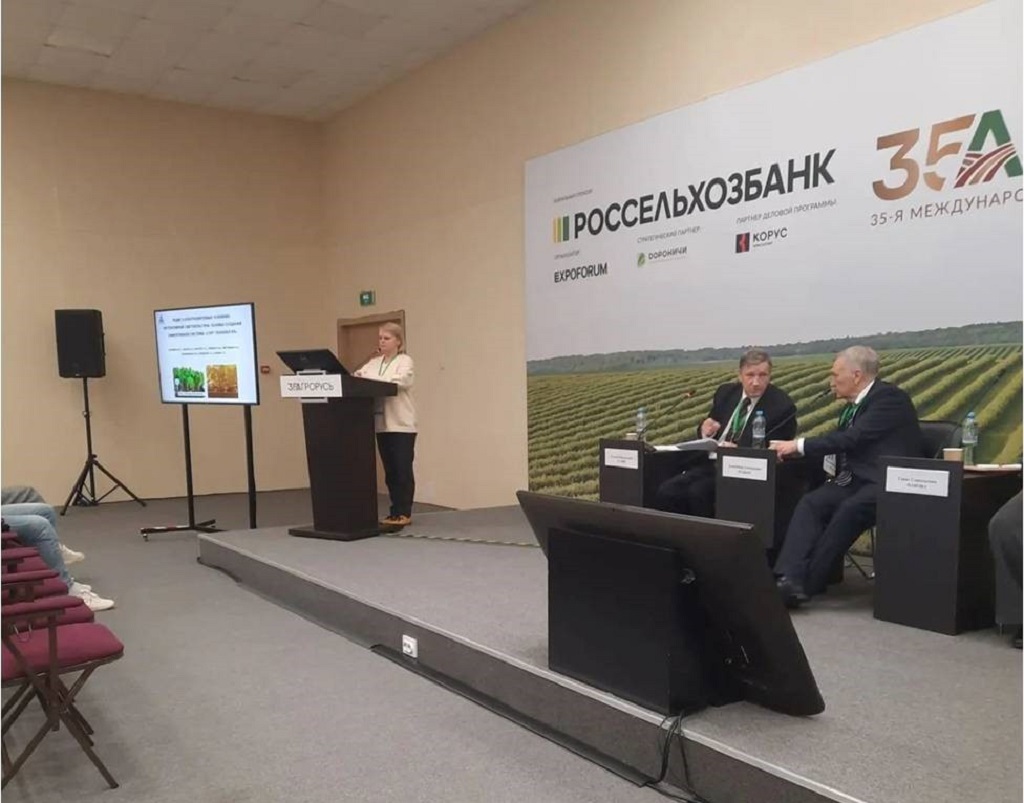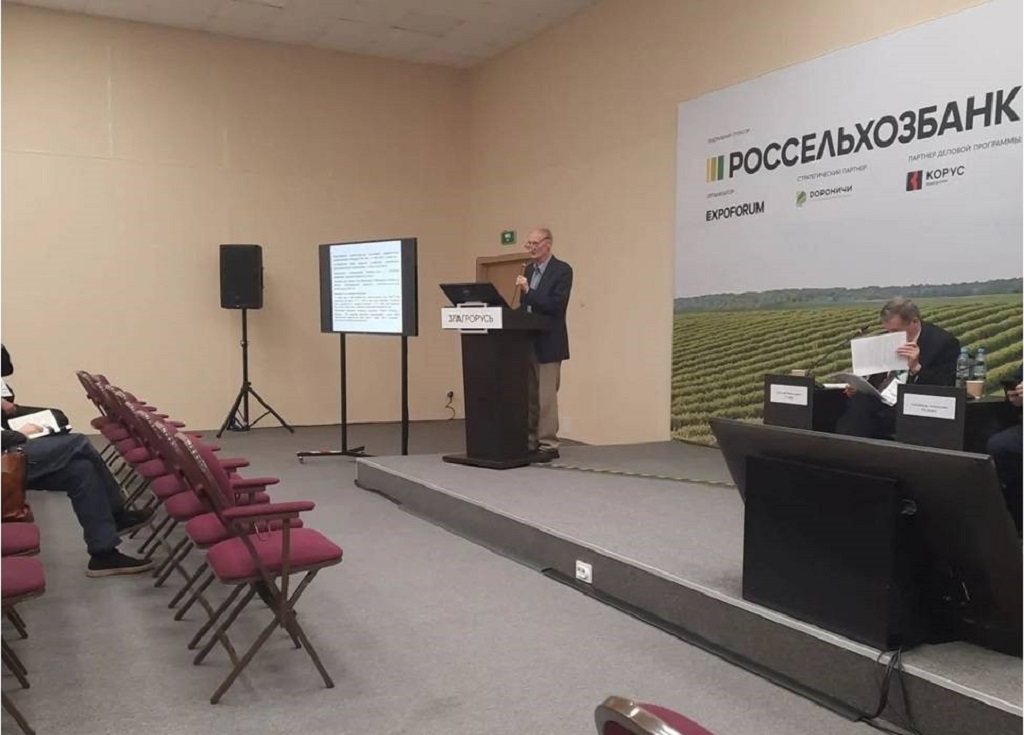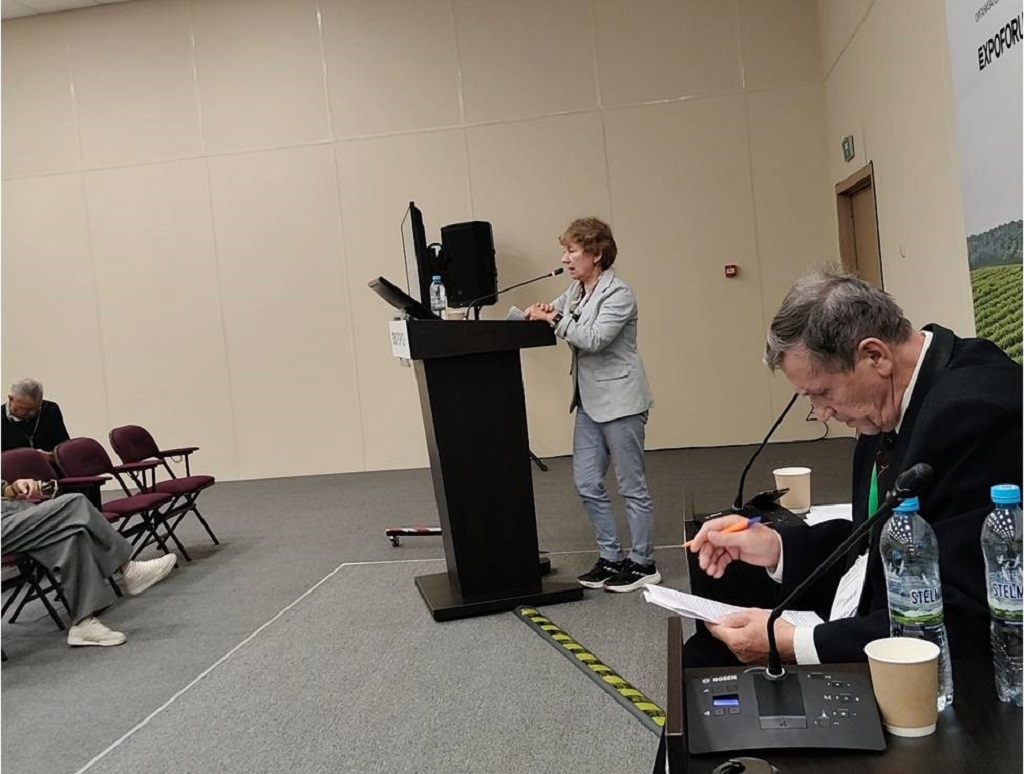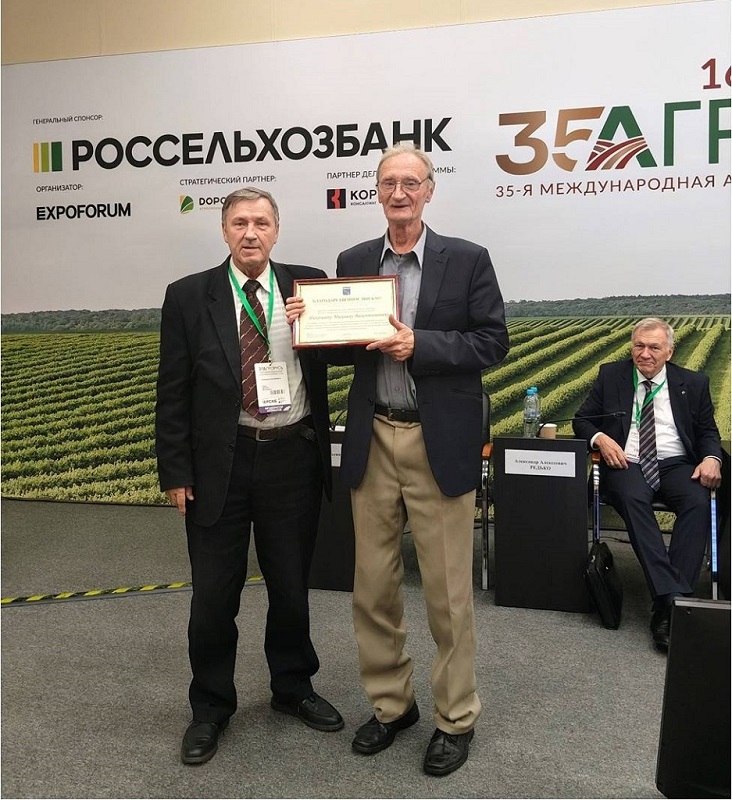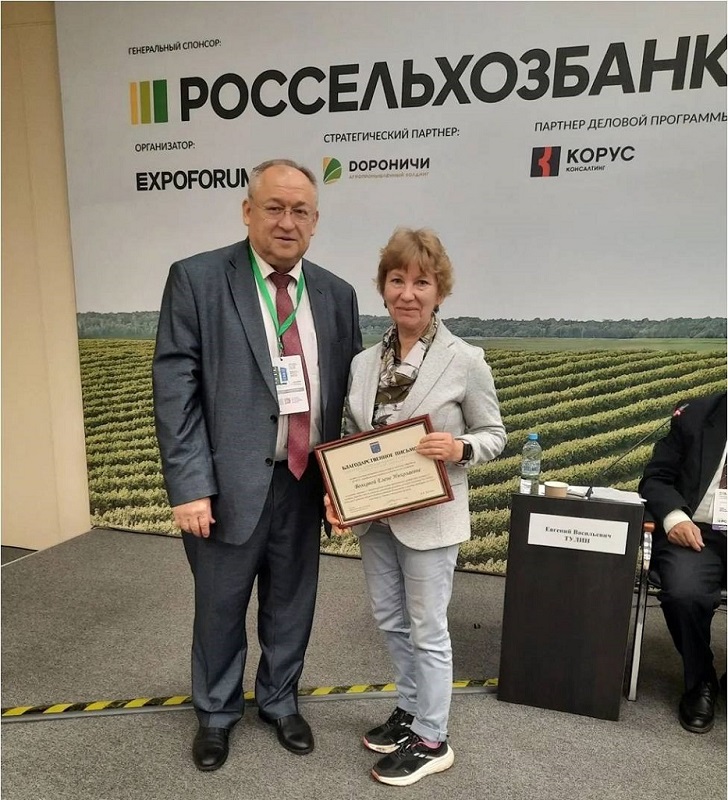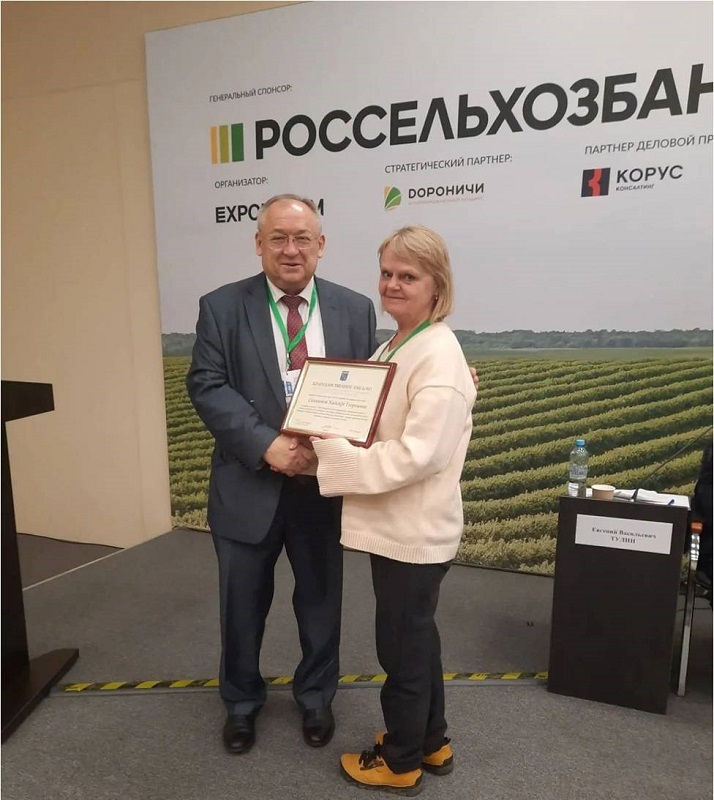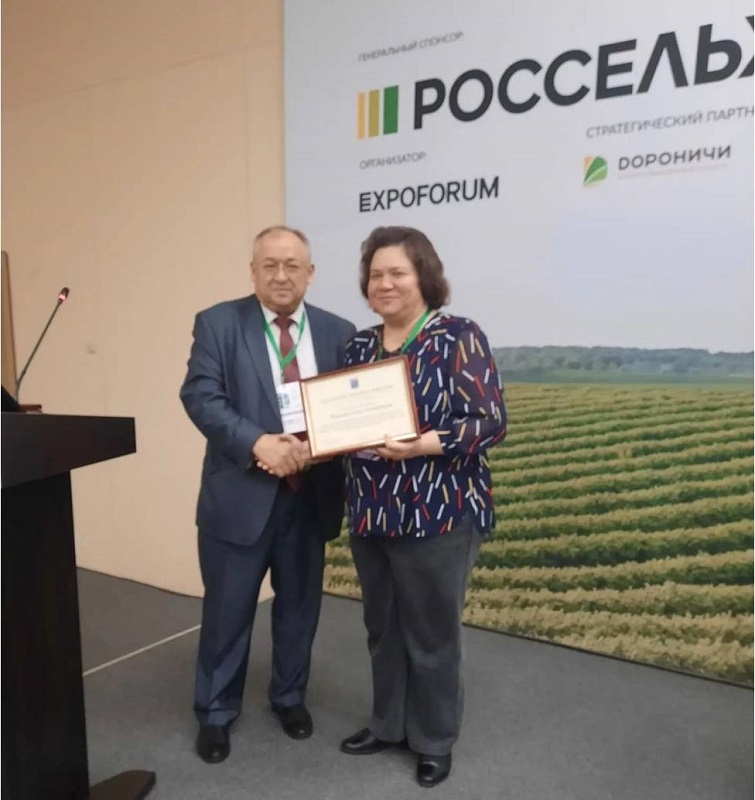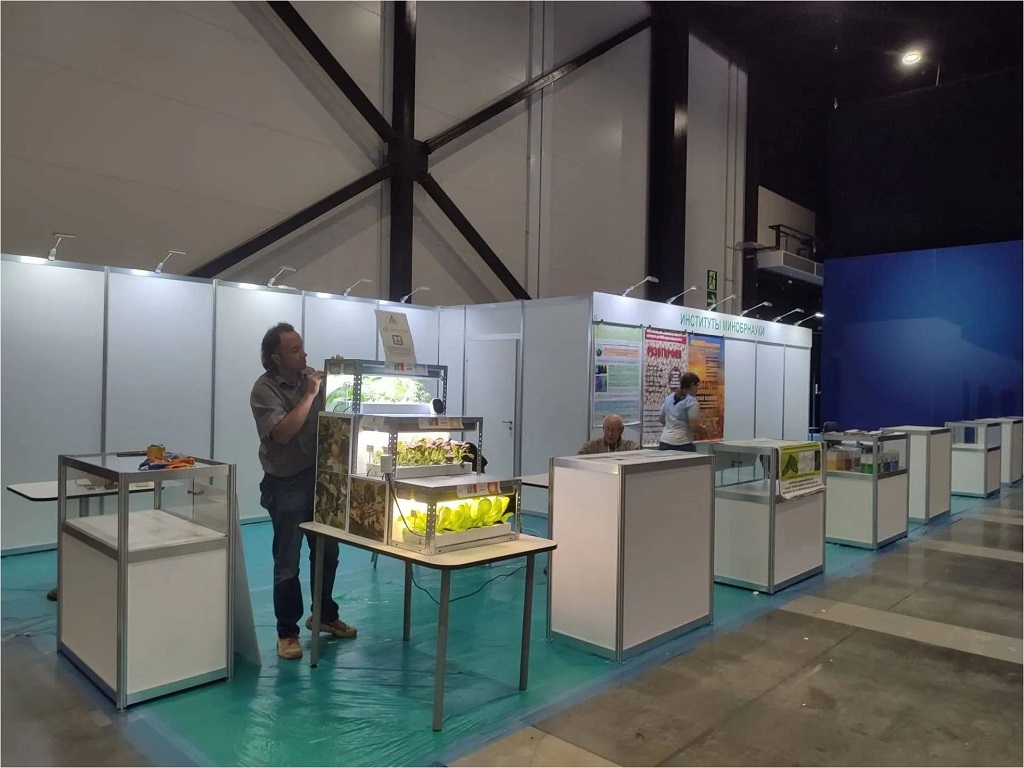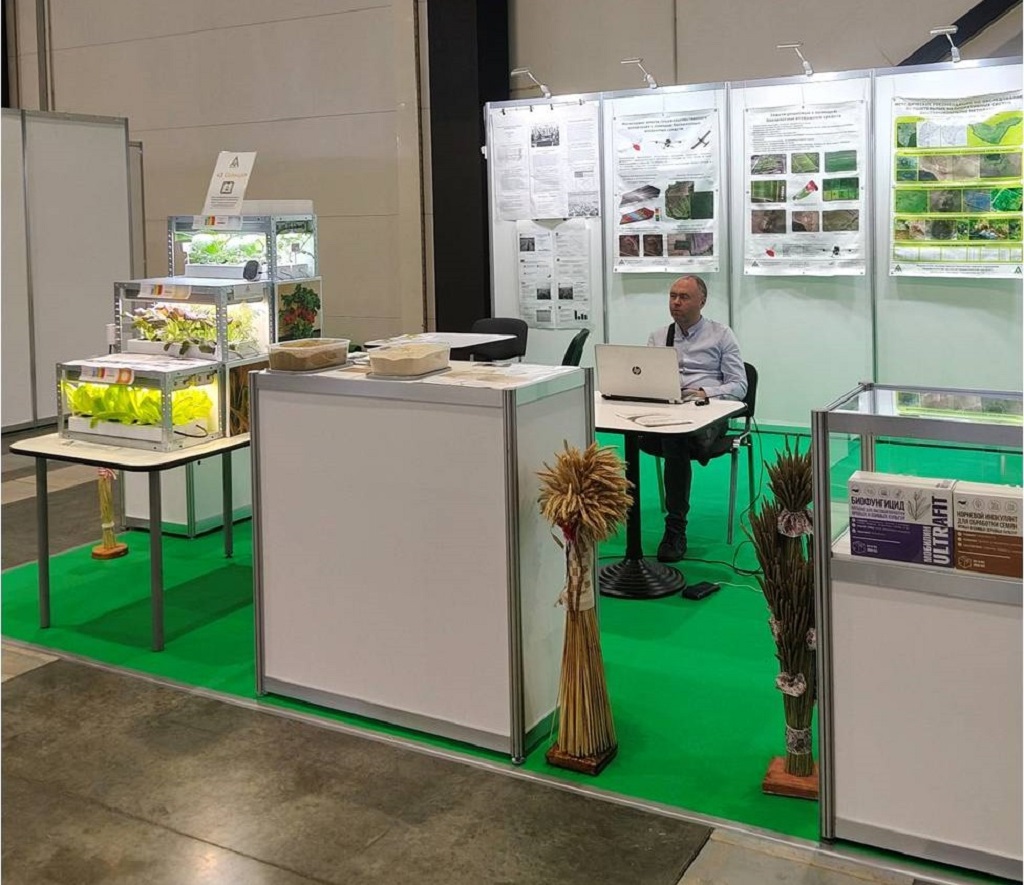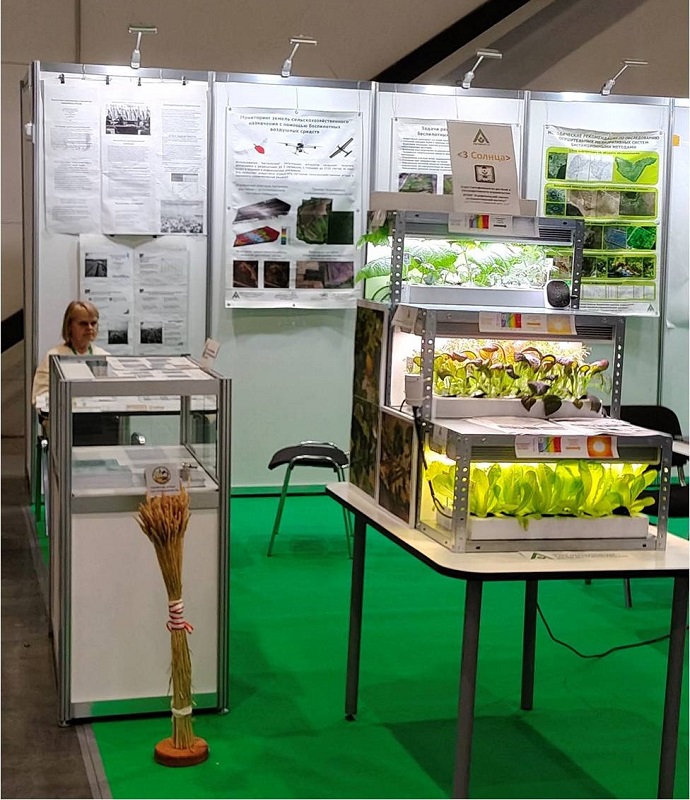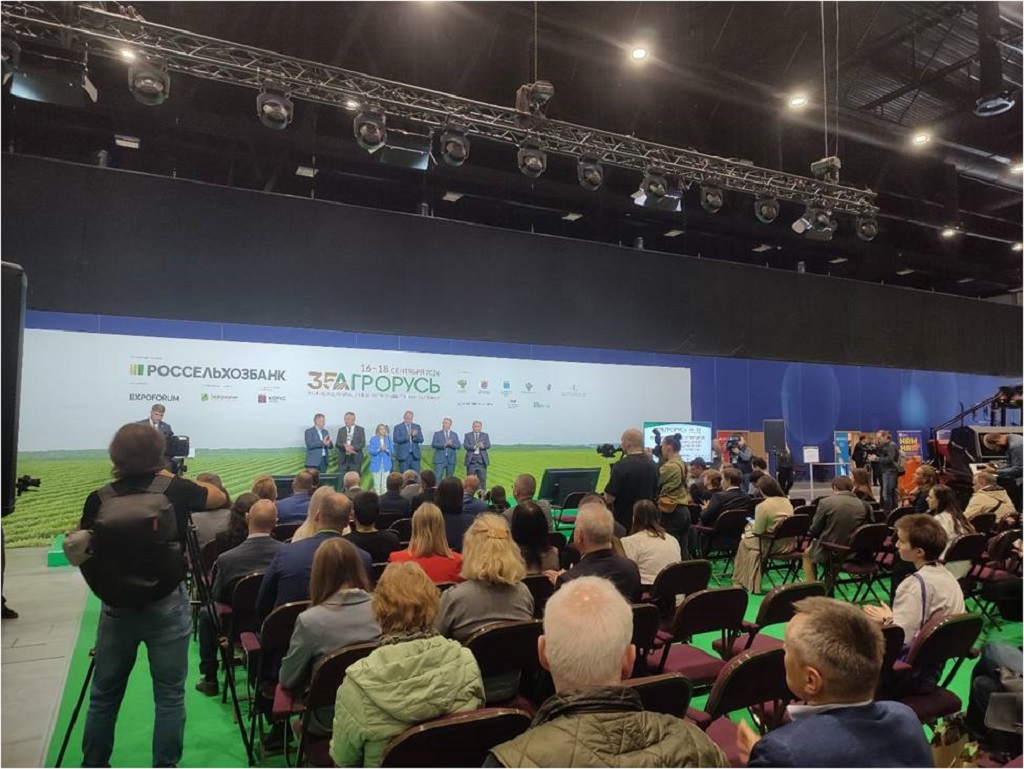
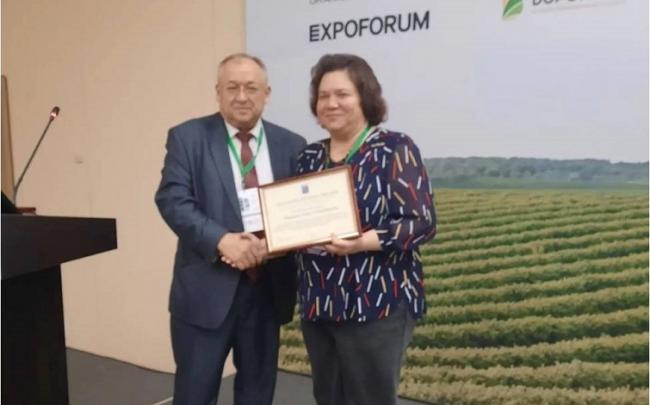
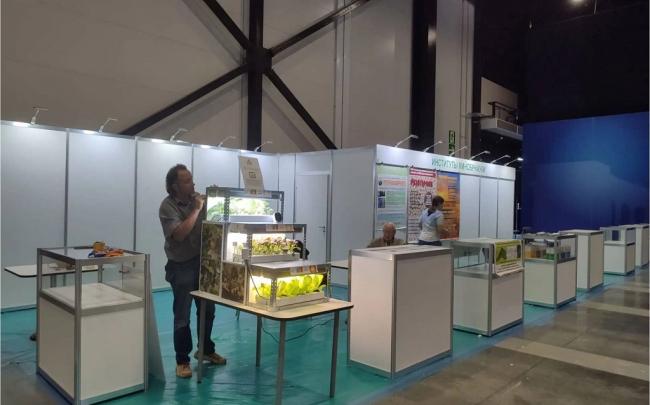
From September 16 to 18, 2026, the 35th anniversary International Agro-Industrial Exhibition “AGRORUSH-2026” was held at the Expoforum congress and exhibition centre in St. Petersburg - one of the country’s leading industry platforms, which is among the priority projects of the Russian Ministry of Agriculture. The Federal State Budgetary Scientific Institution “Agrophysical Research Institute” actively participated in various events of its business programme and presented exhibits and information materials at the exhibition.
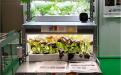
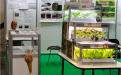
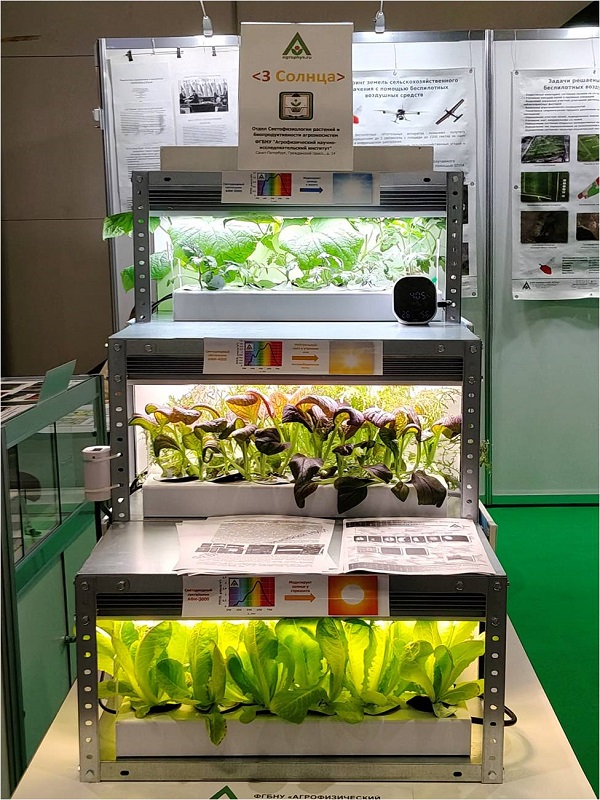
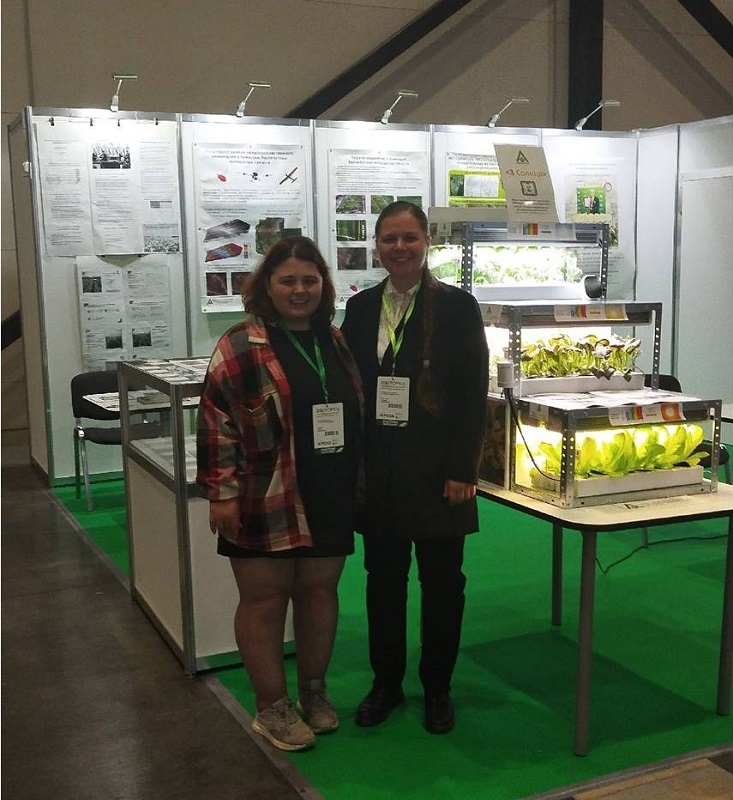
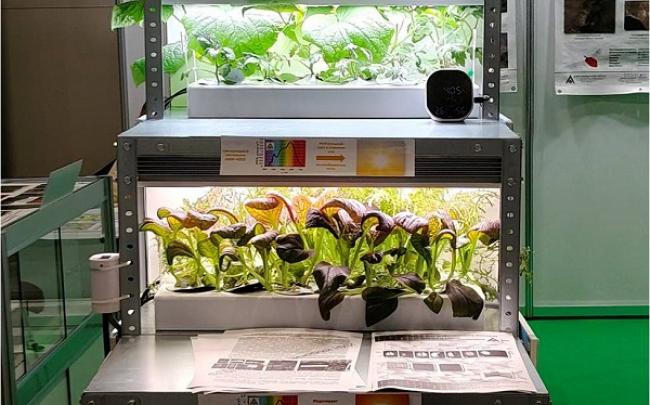
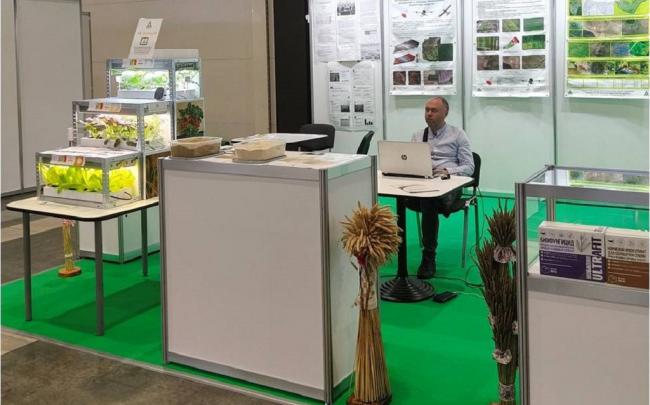
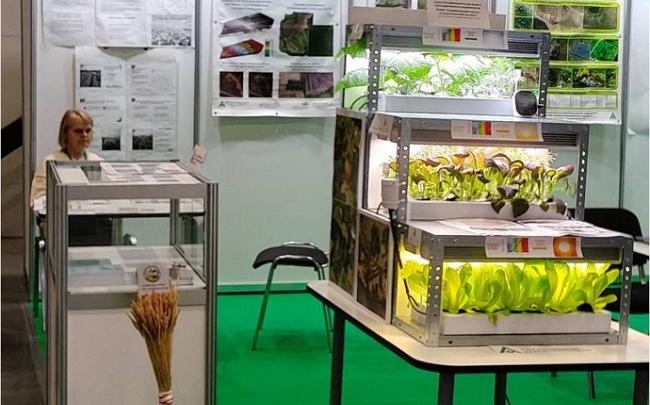
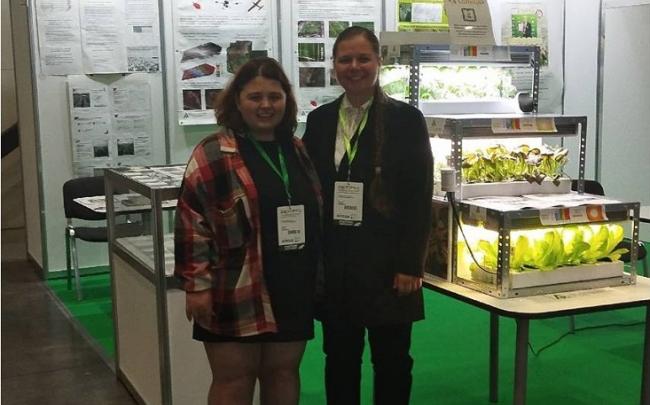
Thus, in the exhibition area of the Research Institute of the Ministry of Education and Science, the Federal State Budgetary Scientific Institution AFI demonstrated the “3 Sun” phytotechnological complex - a development in the field of photophysiology and plant light culture, which continues the institute’s long-standing tradition of creating artificial light sources for growing agricultural crops under fully controlled conditions. The exhibit consists of three seamlessly interconnected sectors - stages featuring various agricultural crops (salad greens, cabbage, tomatoes, cucumbers, watermelons). Above them are original LED lamps created by the staff of the Department of Plant Photophysiology and Agroecosystem Productivity at the Federal State Budgetary Scientific Institution AFI. These lamps simulate sunlight at different positions of the sun relative to the horizon: AFI-3000 - at sunrise, AFI-4000 - in the morning and afternoon hours, AFI-5000 - at the zenith. The exhibited phytotechnological complex is essentially a mini-controlled agroecosystem where light, nutrition, root-zone environment, and microclimate are optimized for the plants being grown at the stage of their development being demonstrated.
The reclamation-related theme of the exhibition at the Federal State Budgetary Scientific Institution Agrophysics was devoted to remote methods for assessing the reclamation status of agricultural lands and effective technologies for detecting closed drainage. The exhibition featured certified lime reclamation agents, as well as the “Recommendations for Restoring the Operability of Closed Drainage in Drainage Systems,” published in 2025, and the latest issues of the journal “Agrophysics.”
During the three-day demonstration of exhibits by the Federal State Budgetary Scientific Institution AFI, organized by A. I. Osipov and actively participated in by the institute’s staff - T. E. Kuleshova, N. G. Sinyavina, K. V. Egorova, D. V. Rusakov, G. B. Ostapchuk, A. S. Zhestkov, and G. G. Panova - there was keen interest from exhibition visitors as well as from participants from various organizations; a productive exchange of information and contact details took place, and a number of proposals for possible cooperation were received.
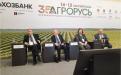
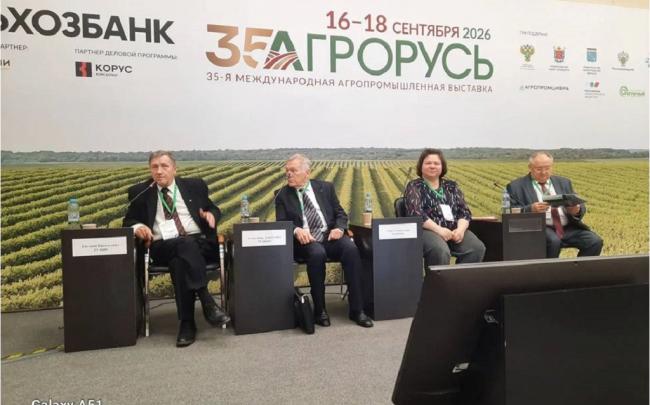
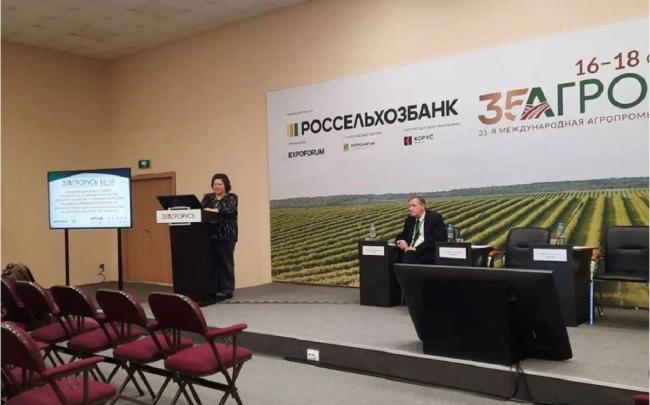
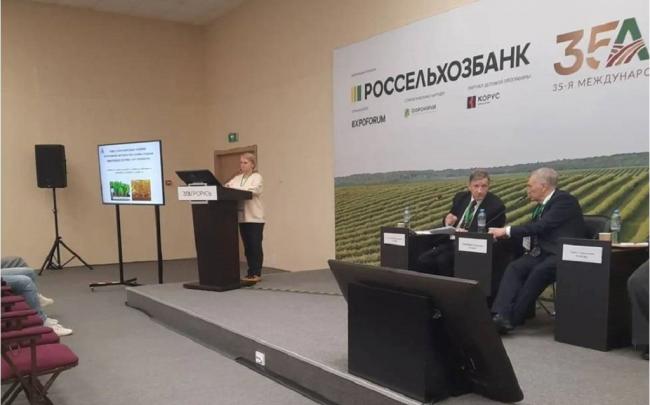
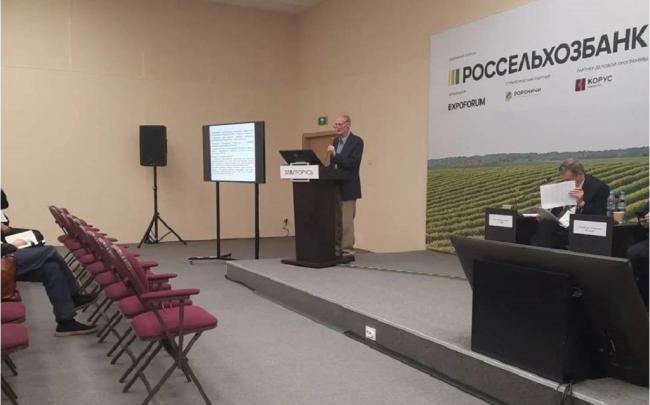
Among the events in the Business Program of the International Agro-Industrial Exhibition “AGRORUSH-2026”, scientists from the Federal State Budgetary Scientific Institution AFI actively participated in the roundtable “Food Security and Independence of Russia in Modern Conditions” (September 16). The roundtable was moderated by Mikhail Vadimovich Arkhipov, Honoured Scientist of the Russian Federation, Doctor of Biological Sciences, Chief Researcher at the Sector of Plant Biophysics at the Federal State Budgetary Scientific Institution AFI, who managed to organize an engaging discussion of the reports. The main issues discussed at the roundtable covered the achievements of fundamental agricultural science in implementing innovative technologies within the framework of “smart agriculture,” as well as practical results in crop production, farming, microbiology, mechanization, and ecology.
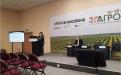
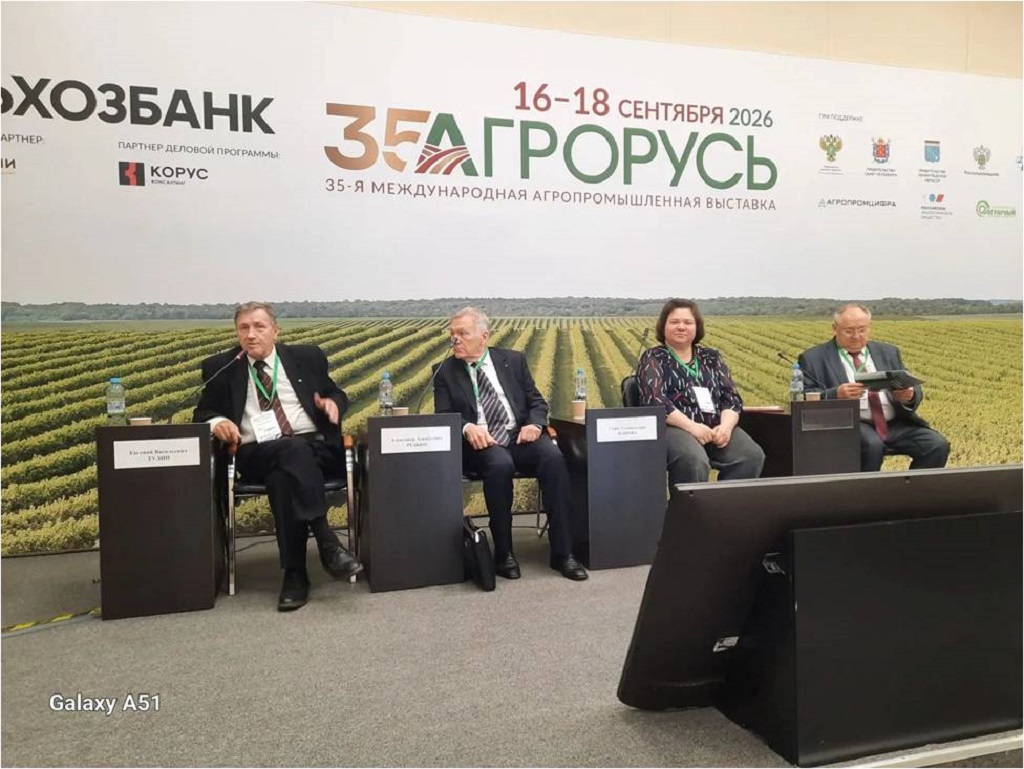
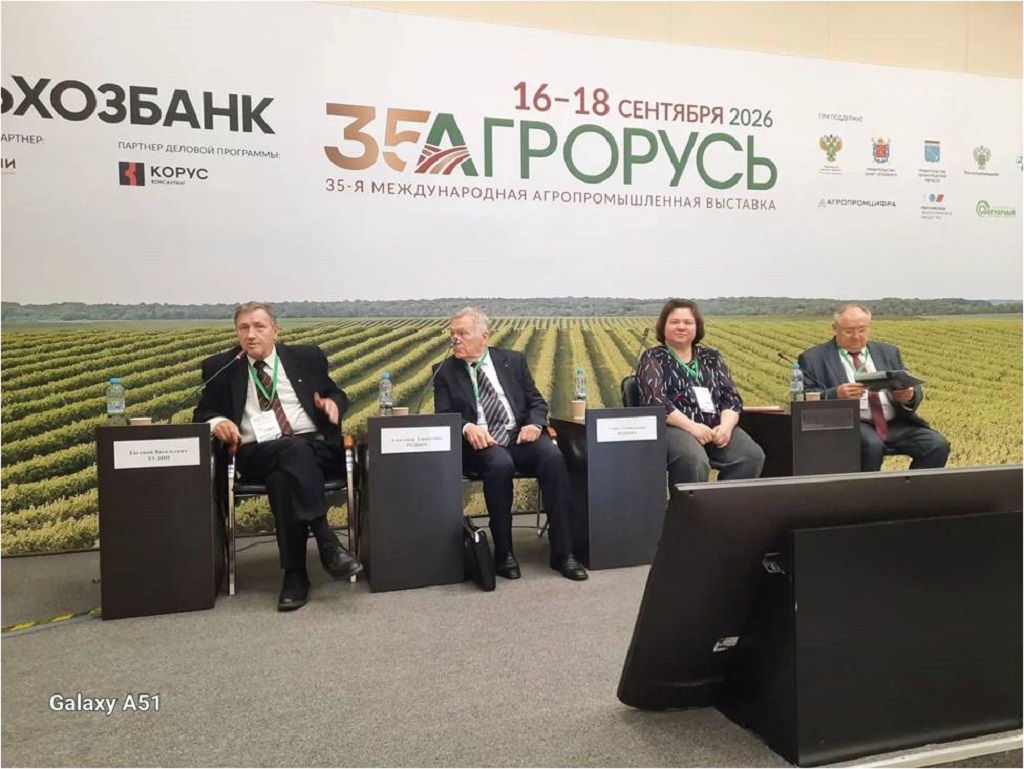
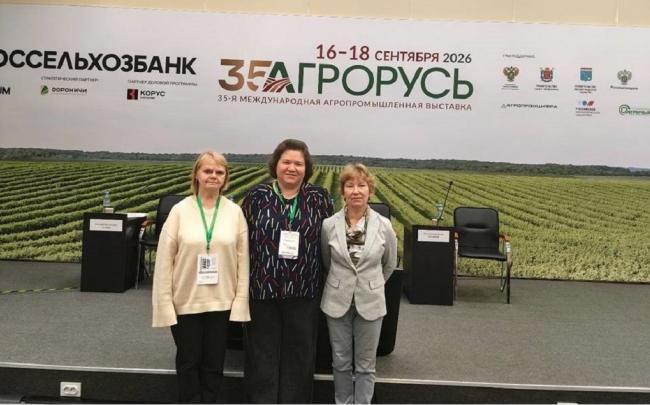
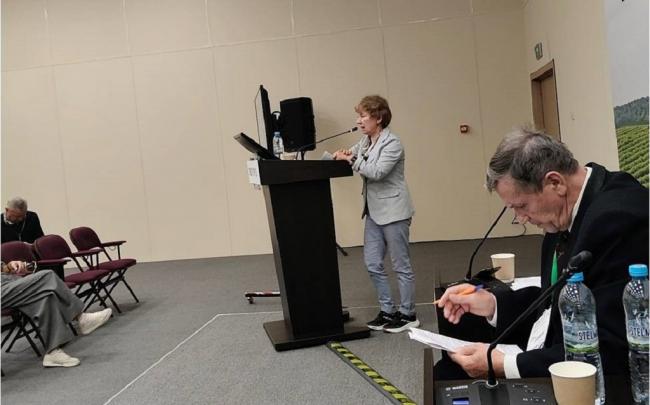
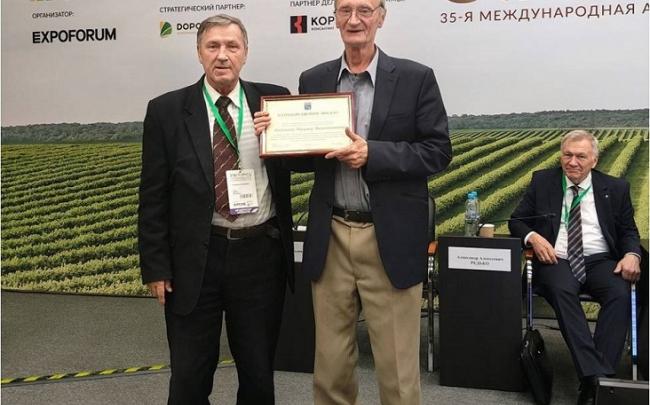
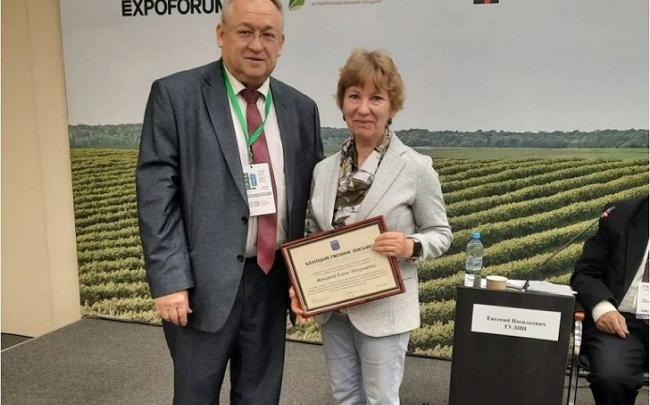
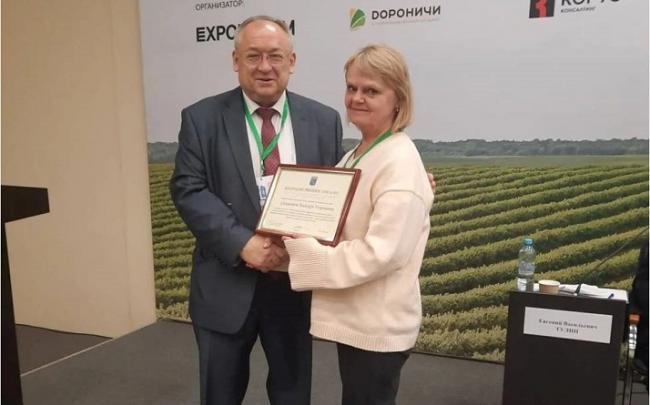
Institute staff members G.G. Panova, N.G. Sinyavina, E.N. Volkova, and M.V. Nikolaev presented reports at the 5th BRICS and BRICS+ Conference on Sustainable Development of Agriculture and Food Security (September 18). The conference was moderated by E.V. Tulin (the Lenplodovooshch Association), A.A. Redko (head of the St. Petersburg Professional Association of Medical Workers), A.V. Vorontsov (member of the St. Petersburg Public Chamber), and G.G. Panova (FSBSI AFI). The material presented in the reports of the staff of the FSBSI API aroused great interest among the listeners and allowed the business community to familiarize themselves with the main developments and proposals of the FSBSI API in the field of ensuring the production of high-quality plant products in the required quantities in close proximity to the consumer, as well as with the possibilities of the regulated agroecosystem created in the FSBSI API in creating new ones adapted to the conditions of the growing region highly productive and early-ripening varieties and hybrids of agricultural crops, new original resource-saving, environmentally friendly and highly effective low-concentration nanocompositions based on carbon and silica nanostructures, as well as metal oxide nanoparticles to improve the condition of plants and the quality of plant products. The growing vulnerability of crop production to climate change in the soil and landscape conditions of the Northwestern region of Russia is also characterized.
-
View the full image
-
View the full image
-
View the full image
-
View the full image
-
View the full image
-
View the full image
-
View the full image
-
View the full image
-
View the full image
-
View the full image
-
View the full image
-
View the full image
-
View the full image
-
View the full image
-
View the full image
-
View the full image